
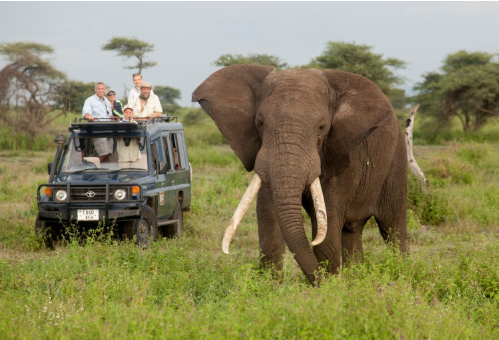
The phrase “Safari in Africa Tanzania” evokes powerful imagery—golden sunsets over endless plains, magnificent predators on the prowl, and vast herds moving across ancient landscapes. Tanzania embodies these dreams more authentically than any other destination, offering wildlife experiences that capture the essence of wild Africa in its purest form. From the moment you set foot in this East African nation, you enter a world where nature still commands respect and wonder remains abundant.
Tanzania’s Natural Supremacy
Tanzania occupies a privileged position among global biodiversity hotspots. The country’s commitment to conservation manifests through protecting nearly 40 percent of its landmass within national parks, game reserves, conservation areas, and marine parks. This dedication creates an unbroken network of wild spaces where ecological processes function much as they have for countless generations.
What distinguishes Tanzania from other safari destinations extends beyond mere statistics, impressive though they are. The country maintains the largest remaining populations of many iconic African species while simultaneously protecting intact ecosystems at scales increasingly rare in our modern world. Here, wildlife migrations still follow ancestral routes, predator-prey relationships play out according to evolutionary scripts written over millennia, and visitors can genuinely experience wilderness that feels both timeless and boundless.
The Tanzanian landscape encompasses extraordinary diversity, from coral reefs teeming with marine life to alpine zones on Mount Kilimanjaro’s slopes where glaciers persist near the equator. Between these extremes lie the savannahs, woodlands, wetlands, and forests that constitute premier safari territory. Each ecosystem supports specialized wildlife communities adapted to specific conditions, creating opportunities for remarkably varied encounters within a single journey.
The Serengeti Phenomenon
The Serengeti stands as perhaps the world’s most celebrated wildlife sanctuary, a name synonymous with African wilderness at its most magnificent. This protected area encompasses approximately 14,750 square kilometers of predominantly open grassland punctuated by rocky kopjes, seasonal rivers, and scattered acacia woodlands. The landscape appears deceptively simple at first glance, yet it supports complexity that scientists continue studying decades after initial research began.
The annual wildebeest migration transforms the Serengeti into a stage for nature’s grandest performance. Over 1.5 million wildebeest, joined by hundreds of thousands of zebras and gazelles, move continuously through the ecosystem in response to rainfall patterns and grazing conditions. This isn’t simply a journey from point A to point B, but rather a circular movement spanning the entire year as herds occupy different regions during different seasons.
Witnessing migration river crossings ranks among the most dramatic wildlife spectacles on Earth. Between July and October, massive herds must form the Grumeti and Mara Rivers to reach northern grazing areas where recent rains have stimulated fresh grass growth. The crossings are chaotic, dangerous, and utterly compelling—thousands of animals plunging into swift currents while Nile crocodiles, some exceeding five meters in length, wait in ambush. The desperation driving these crossings becomes palpable as animals pile upon each other in their frantic attempts to reach the opposite bank.
Beyond the migration, the Serengeti sustains resident populations that alone would justify its international reputation. The park harbors approximately 3,000 lions organized into prides controlling distinct territories across the landscape. These social structures create fascinating behavioral opportunities, from coordinated hunting strategies to territorial disputes to complex interactions between pride members. The Serengeti’s open terrain provides exceptional visibility for observing these behaviors, making it arguably Earth’s best destination for studying wild lion ecology.
Leopards occupy the Serengeti’s wooded areas and kopjes, their solitary nature and preference for nocturnal activity making sightings more challenging but correspondingly rewarding. Cheetahs exploit the open plains where visibility and space allow them to utilize their remarkable speed advantage during hunts. Spotted hyenas, operating in clans that can exceed 100 members, prove to be formidable predators despite their scavenging reputation, with recent research revealing they kill more prey than they steal from other carnivores.
Ngorongoro Conservation Area: A World Apart
The Ngorongoro Conservation Area encompasses far more than its famous crater, though that geological marvel certainly anchors the region’s appeal. This unique protected area permits human habitation, with Maasai pastoralists grazing livestock alongside wild animals—a conservation model that recognizes indigenous rights while protecting wildlife. The crater itself formed when a massive volcano, potentially rivaling Kilimanjaro in height, catastrophically collapsed inward approximately 2.5 million years ago.
Descending into Ngorongoro Crater provides one of safari’s most memorable moments. The road winds down the steep inner wall through zones of vegetation that transition from montane forest to open grassland as elevation decreases. The crater floor gradually reveals itself below—a vast amphitheater of grasslands, swamps, forests, and a central alkaline lake, all ringed by walls that rise 600 meters above the flatlands.
The crater functions as a largely self-contained ecosystem supporting approximately 25,000 large mammals. Permanent springs ensure year-round water availability while rich volcanic soils support lush grasses that eliminate seasonal migration pressures affecting surrounding areas. This stability creates exceptional wildlife density with virtually guaranteed sightings of lions, elephants, buffalo, hippos, hyenas, and numerous antelope species during single-day visits.
Ngorongoro’s black rhinoceros population represents a conservation bright spot for this critically endangered species. While numbers remain modest at approximately 30 individuals, the crater provides habitat where these prehistoric-looking megaherbivores can be observed relatively reliably—a privilege denied in most African destinations where rhinos have been hunted to local extinction. Patient visitors frequently encounter rhinos grazing openly on the crater floor or resting in the shade of the few scattered trees.
The crater’s ecosystem changes character throughout the day as light shifts and wildlife activity patterns fluctuate. Early morning finds predators returning from nocturnal hunts while herbivores begin grazing after resting through darkness. Midday brings torpor as the equatorial sun reaches its zenith and most animals seek shade or water. Late afternoon sees renewed activity as temperatures moderate and animals prepare for another night of survival.
Tarangire National Park: Seasonal Transformation
Tarangire National Park demonstrates how seasonal changes transform African landscapes and concentrate wildlife in predictable patterns. During Tanzania’s wet season from November through May, Tarangire appears pleasant but unremarkable compared to the Serengeti or Ngorongoro. However, as the dry season progresses from June through October, this park undergoes remarkable transformation into one of Tanzania’s premier wildlife destinations.
The Tarangire River provides the key to understanding this seasonal phenomenon. As surrounding areas desiccate and seasonal waterholes evaporate, the Tarangire River maintains flow through underground springs and rainfall in distant catchment areas. This permanent water source attracts wildlife from territories spanning hundreds of square kilometers, creating concentrations that rival any place in Tanzania.
Elephant populations reach staggering densities during peak dry months, with herds numbering in the hundreds gathering along the riverbanks. These congregations provide unprecedented opportunities for observing elephant social dynamics—the bonds between mothers and calves, the hierarchies within family groups, the interactions between different clans, and the solitary existence of mature bulls. Close-range encounters occur frequently as elephants move between water and feeding areas, their comfort with safari vehicles allowing intimate observations.
The park’s signature baobab trees create a landscape unlike any other in Tanzania. These ancient giants, some exceeding 1,000 years in age, dominate the scenery with massive trunks that can reach 10 meters in diameter. Their distinctive silhouettes against African skies create iconic photographic compositions, while their ecological importance extends far beyond aesthetics. Baobabs provide food, water, and shelter for numerous species, from elephants stripping bark during droughts to birds nesting in hollow trunks.
Tarangire’s predator populations follow prey concentrations, making lion, leopard, and cheetah sightings increasingly probable as the dry season progresses. The park also supports populations of less common species including fringe-eared oryx with their rapier-straight horns, gerenuk that stand bipedally to browse high vegetation, and greater kudu with magnificent spiral horns. This diversity adds depth to safari experiences for visitors who appreciate wildlife beyond the famous megafauna.
Lake Manyara National Park: Ecological Microcosm
Lake Manyara National Park compresses remarkable ecological diversity into approximately 330 square kilometers, demonstrating that exceptional safari experiences don’t require vast territories. The park occupies a narrow strip between the towering Rift Valley escarpment and Lake Manyara’s fluctuating shoreline, encompassing multiple distinct habitat zones within this compact area.
The park’s tree-climbing lions have generated international interest since being documented by researchers in the 1960s. While lions elsewhere occasionally climb trees, Manyara’s population exhibits this behavior with sufficient consistency to make sightings realistic during extended visits. These sightings provide memorable photographic opportunities and demonstrate behavioral flexibility that allows lions to thrive in varied environments from open plains to dense woodlands.
The groundwater forest near the park entrance creates a lush environment sustained by springs flowing from the Rift Valley escarpment. This forest harbors large troops of olive baboons whose complex social dynamics and vocalizations provide constant entertainment. Blue monkeys inhabit the canopy while bushbuck move cautiously through the understory. The forest gradually transitions through acacia woodland to open grassland before reaching the lake shore, each zone supporting characteristic species assemblages.
Lake Manyara itself fluctuates dramatically based on seasonal rainfall patterns. During high water periods, the lake expands to cover much of the park, creating extensive shallows that attract enormous congregations of lesser and greater flamingos. These specialized filter feeders exploit algae blooms in the alkaline waters, their massed pink forms creating stunning visual displays against the backdrop of the Rift Valley escarpment. The park’s bird diversity exceeds 400 species, making it essential for ornithologically inclined visitors.
Southern Tanzania’s Wilderness Frontier
Tanzania’s southern parks remain far less visited than the northern circuit despite offering equally compelling wildlife experiences. This relative obscurity stems from greater remoteness, more challenging access, and seasonal closures during heavy rains rather than any deficit in wildlife quality. For travelers seeking authentic wilderness experiences away from tourist concentrations, the southern parks deliver exceptional value.
Ruaha National Park sprawls across more than 20,000 square kilometers of rugged terrain where the Great Ruaha River creates a vital corridor through harsh landscape. The park’s vast size and limited development preserve wilderness character increasingly rare in Africa. Multi-day safaris here provide genuine expedition feelings with possibilities of spending entire days without encountering another vehicle—a stark contrast to the sometimes crowded conditions in popular northern parks during peak season.
Wildlife concentrations in Ruaha during dry season months rival anywhere in Tanzania. The river attracts massive aggregations of elephants, buffalo, zebras, giraffes, and various antelope species desperate for water as surrounding areas desiccate completely. These concentrations draw corresponding predator numbers, with large lion prides, healthy leopard populations, and regular cheetah sightings. The park also hosts significant numbers of African wild dogs, among Africa’s most endangered carnivores, though these wide-ranging hunters require considerable luck to encounter.
Nyerere National Park encompasses enormous territory in southern Tanzania, offering activity diversity impossible in most northern parks. Walking safaris, conducted with armed rangers possessing intimate knowledge of tracking and wilderness skills, provide completely different perspectives from vehicle-based game drives. Moving through the landscape on foot engages all senses—the sound of breaking twigs, the scent of dust and vegetation, the tension of vulnerability that sharpens awareness.
Boat safaris along the Rufiji River add yet another dimension to wilderness experiences. Approaching hippo pods in their aquatic domains, observing basking crocodiles at close range, and watching fish eagles plunge for prey creates comprehensive understanding of riverine ecosystems. These varied activities combine to produce holistic safari experiences that engage visitors more completely than any single activity could achieve.
Crafting Your Ideal Safari
Planning successful safaris requires balancing numerous factors including timing, budget, accommodation preferences, and activity interests. Understanding how these variables interact enables informed decisions that maximize satisfaction while managing expectations realistically.
Timing decisions profoundly impact safari character and quality. The dry season from June through October provides classic safari conditions with concentrated wildlife around permanent water sources, reduced vegetation improving visibility, and generally favorable weather. This period coincides with northern Serengeti river crossings and attracts peak tourist numbers with corresponding premium pricing, but exceptional wildlife viewing justifies these compromises for most visitors.
The wet season from November through May offers contrasting advantages. Landscapes transform into lush greenery, afternoon thunderstorms create dramatic skies, and tourist numbers decline substantially. The southern Serengeti calving season during January and February produces intense predator activity as newborn wildebeest attract every carnivore within reach. However, heavy rains during March through May can render roads challenging and thick vegetation reduces visibility.
Accommodation options span from ultra-luxury lodges providing five-star amenities to budget camping using public facilities. Luxury properties occupy spectacular locations with wildlife viewing from private decks, employ expert guides, and provide gourmet cuisine. Tented camps offer authentic bush experiences while maintaining comfort levels from basic to luxurious. Mid-range options balance value with comfort, while camping minimizes costs for budget-conscious travelers.
Conservation Reality and Tourism’s Impact
Tanzania’s conservation achievements face ongoing pressures that threaten long-term sustainability. Rapid human population growth creates inexorable demands for land, water, and natural resources, progressively fragmenting wildlife habitats and intensifying human-wildlife conflicts. These conflicts generate real hardships for rural communities—elephants destroy crops representing families’ annual food security, predators kill livestock that constitute accumulated wealth, and dangerous animals occasionally threaten human lives.
Responsible tourism provides crucial economic justification for maintaining wildlife populations. Park fees fund ranger salaries, anti-poaching operations, and infrastructure maintenance essential for effective protection. Employment in safari operations provides income alternatives to environmentally destructive activities. Community development projects funded by tourism revenues improve quality of life for people living adjacent to protected areas, creating stakeholder interest in conservation success.
Selecting operators committed to sustainable practices ensures tourism spending supports conservation rather than undermining it. Responsible operators employ fair labor practices, minimize environmental footprints through renewable energy and waste management, source provisions locally supporting community economies, and contribute financially to specific conservation projects. Researching operator credentials and commitments helps align tourism spending with conservation values.
Conclusion
Safari in Africa Tanzania transcends conventional tourism, offering transformative encounters with wild nature that reshape perspectives and create lifelong memories. The country’s unmatched wildlife concentrations, vast protected landscapes, and commitment to conservation combine to create experiences that capture Africa’s essence in its most authentic form.
Whether witnessing the Great Migration’s thunderous river crossings, observing lions coordinating complex hunts, encountering elephants in massive dry-season congregations, or simply absorbing the profound silence of African wilderness under star-filled skies, Tanzania delivers moments that resonate long after returning home. These experiences remind us that Earth still harbors places where nature governs according to ancient rhythms, where survival depends on adaptation and strength, where beauty and danger coexist in constant tension.
The memories forged during safari in Africa Tanzania become treasured possessions that enrich lives permanently. They inspire commitment to conservation extending beyond personal enjoyment into active stewardship of wild places and creatures that cannot advocate for themselves. In choosing Tanzania for your safari adventure, you invest not only in personal fulfillment but also in the ongoing protection of irreplaceable natural heritage.
Key Takeaways
- Tanzania protects approximately 40 percent of its territory within conservation areas, creating Africa’s most extensive protected wilderness network supporting free-ranging wildlife populations
- The Serengeti ecosystem hosts the Great Migration involving over 1.5 million wildebeest plus hundreds of thousands of zebras and gazelles moving continuously through approximately 30,000 square kilometers
- Ngorongoro Crater’s 260-square-kilometer caldera supports 25,000 large mammals in permanent residence including approximately 30 black rhinoceros representing Tanzania’s most accessible population
- Tarangire National Park transforms during dry season into elephant haven with hundreds congregating along the Tarangire River, creating unparalleled opportunities for observing complex social behaviors
- Southern parks including Ruaha and Nyerere provide remote wilderness experiences with walking safaris and boat safaris complementing traditional game drives in areas with minimal tourist presence
- June through October dry season delivers optimal wildlife viewing with concentrated animals and northern Serengeti crossings, while January-February calving season produces intense predator activity
- Accommodation ranges from budget camping at approximately $200-300 daily to ultra-luxury lodges exceeding $1,500 daily per person, making Tanzania accessible across diverse budgets
- Professional guides with extensive wildlife knowledge dramatically enhance safari quality through behavioral expertise, tracking abilities, and positioning skills that maximize encounter quality
- Responsible safari tourism directly funds conservation through park fees, provides employment alternatives to destructive activities, and supports community development improving local quality of life
- Tanzania offers year-round safari opportunities with each season providing distinct advantages from migration phases to calving season to lush landscapes with reduced tourist numbers
Frequently Asked Questions
What is the ideal length for a Tanzania safari?
Most safari experts recommend seven to ten days for comprehensive northern circuit experiences allowing adequate time in the Serengeti, Ngorongoro Crater, and additional parks like Tarangire without feeling rushed. Five to six day safaris provide solid introductions covering major highlights, while longer trips of two weeks permit southern park exploration or Zanzibar beach extensions. Shorter three to four day safaris offer wildlife encounter opportunities but feel hurried given significant distances between parks and may miss key experiences requiring patient observation over multiple game drives.
Are children welcome on Tanzania safaris?
Many Tanzania safari operators welcome families with children though policies vary significantly by property. Some lodges accept children of all ages while others maintain minimum age requirements ranging from six to twelve years based on safety considerations and ensuring other guests’ experiences aren’t disrupted. Private safari vehicles and family-friendly accommodations provide flexibility for traveling with children. The educational value and wonder of wildlife encounters create memorable family experiences, though parents should realistically assess whether children’s temperaments suit long game drives requiring patience and quiet behavior.
What health precautions should I take for Tanzania?
Essential health preparations include consulting travel medicine specialists six to eight weeks before departure for appropriate vaccinations including hepatitis A and B, typhoid, and routine immunizations. Yellow fever vaccination is mandatory only for travelers arriving from endemic countries though many obtain it regardless for entry to other African destinations. Malaria prophylaxis is strongly recommended for most safari areas below 1,800 meters elevation with options including daily or weekly medications. Additional precautions include drinking only bottled or purified water, applying high-SPF sunscreen liberally, and using DEET-containing insect repellent during dawn and dusk periods when mosquitoes are most active.
Can I use my drone on safari in Tanzania?
Tanzania strictly regulates drone usage requiring permits from the Tanzania Civil Aviation Authority for any drone operations. Most national parks prohibit recreational drone use entirely due to wildlife disturbance concerns, with violations resulting in confiscation and potential legal consequences. The noise and presence of drones can stress wildlife, disrupt natural behaviors, and negatively impact other visitors’ experiences. Professional photographers and filmmakers can apply for special permits requiring extensive documentation and substantial fees, though approval isn’t guaranteed. Visitors should leave drones at home unless obtaining proper authorization well in advance.
How close can safari vehicles get to wildlife?
Tanzania park regulations generally require vehicles to maintain minimum distances from wildlife though specific distances vary by species and park. Most parks prohibit off-road driving to prevent habitat damage and wildlife disturbance, requiring vehicles to remain on designated tracks. Animals frequently approach vehicles out of curiosity or indifference, sometimes passing within meters, but drivers may not pursue or harass wildlife. Responsible guides prioritize animal welfare over photographic opportunities, maintaining distances that don’t alter natural behaviors. These regulations protect both wildlife and visitors while ensuring sustainable tourism practices.
What should I wear on safari in Tanzania?
Optimal safari clothing includes neutral colors—khakis, olives, beiges, and browns—that don’t attract insects or stand out to wildlife. Lightweight long-sleeved shirts and long pants provide sun protection and insect defense while remaining cool in tropical heat. Layers prove essential as temperatures vary dramatically between cool pre-dawn game drives and hot midday periods. Essential items include wide-brimmed hat, quality sunglasses, comfortable closed-toe walking shoes, fleece or light jacket for cool mornings, and rain jacket during wet season. Avoid camouflage patterns prohibited in some areas and bright colors including white that attracts tsetse flies.
Do I need travel insurance for my Tanzania safari?
Comprehensive travel insurance providing medical coverage including emergency evacuation is strongly recommended for Tanzania safaris. Quality policies cover trip cancellation or interruption due to illness or emergencies, medical expenses including hospital treatment and evacuation to appropriate facilities, and lost or delayed baggage. Emergency medical evacuation from remote safari areas to Nairobi or other cities with advanced medical facilities can cost tens of thousands of dollars without insurance coverage. Standard health insurance from home countries typically provides limited or no coverage abroad, making dedicated travel insurance essential for financial protection and peace of mind.
Can vegetarians and vegans be accommodated on safari?
Most Tanzania safari lodges and camps readily accommodate vegetarian and vegan dietary requirements when notified in advance during booking. Many properties maintain vegetable gardens supplying fresh produce for meal preparation. However, remote locations and limited supply chains mean variety may not match what’s available in major cities. Notifying operators about dietary restrictions during booking rather than upon arrival ensures proper provisions are available. Most lodges prepare excellent vegetarian meals incorporating local ingredients, though highly specialized diets requiring specific products may face limitations. Communication with operators before travel prevents disappointments and ensures satisfactory meal experiences throughout your safari.