
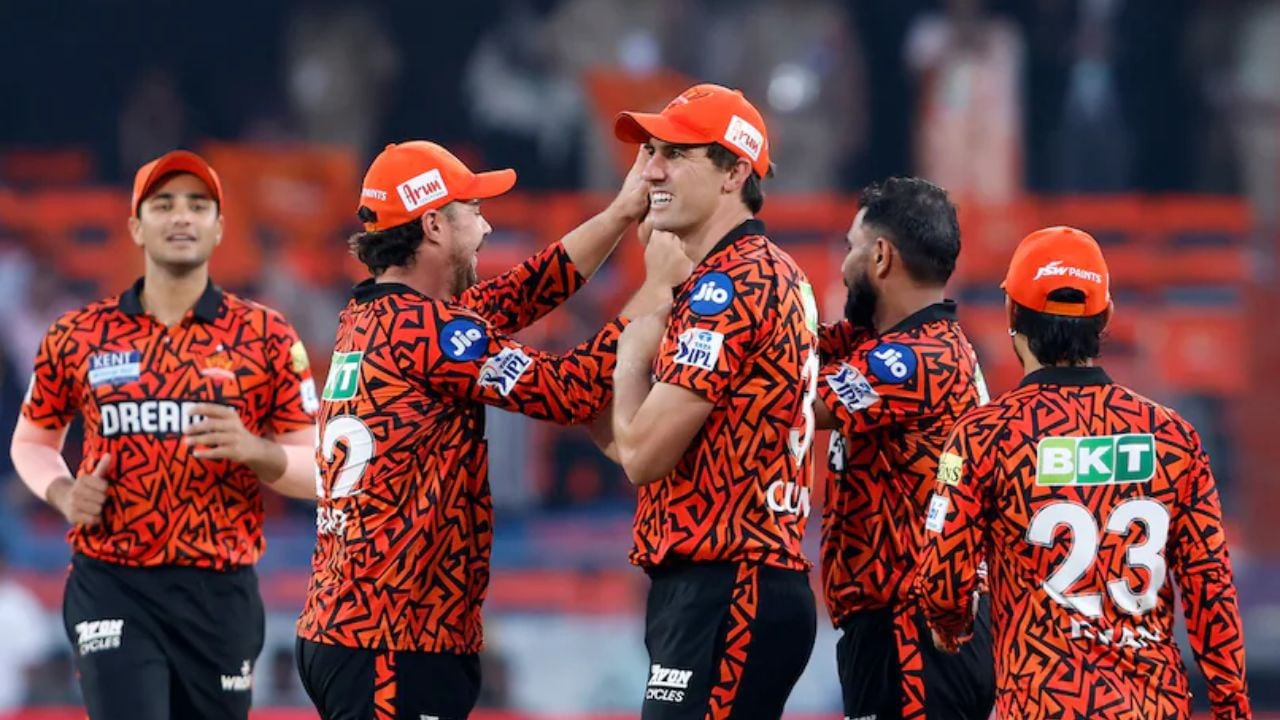
The IPL 2026 season arrives with significant strategic reshuffling, as franchises finalized their retained squads ahead of the auction. Retentions have once again become the foundation of team building, reflecting long-term planning rather than short-term fixes. Teams have moved beyond star power alone and now focus on role clarity, squad balance, and adaptability across conditions.
A closer look at the IPL 2026 retained players list reveals a clear shift toward stability and depth. Instead of retaining only marquee names, franchises have secured larger core groups, ensuring continuity while leaving room for targeted auction additions. This evolution highlights how the league’s competitive intensity continues to reshape team strategies.
Understanding IPL 2026 Retention Rules and Strategy
Retention policies for IPL 2026 allowed teams to preserve a substantial portion of their squads before entering the auction. Across all ten franchises, a total of over 170 players were retained, indicating a strong preference for continuity.
Franchises used this opportunity to secure both established performers and emerging domestic talent. This dual-layer approach ensures that teams maintain consistency while also investing in future prospects. As a result, the retention phase has become as critical as the auction itself in defining team strength.
Team-Wise IPL 2026 Retained Players List
The table below highlights verified retained players from multiple teams, based on official IPL and reliable reports:
| Team | Key Retained Players |
| Mumbai Indians | Hardik Pandya, Rohit Sharma, Jasprit Bumrah, Suryakumar Yadav, Tilak Varma, Trent Boult |
| Chennai Super Kings | MS Dhoni, Ruturaj Gaikwad, Shivam Dube, Noor Ahmad |
| Royal Challengers Bengaluru | Virat Kohli, Rajat Patidar, Tim David, Josh Hazlewood |
| Kolkata Knight Riders | Rinku Singh, Sunil Narine, Varun Chakravarthy, Harshit Rana |
| Delhi Capitals | KL Rahul, Axar Patel, Kuldeep Yadav, Mitchell Starc |
| Gujarat Titans | Shubman Gill, Rashid Khan, Mohammed Siraj, Jos Buttler |
| Rajasthan Royals | Yashasvi Jaiswal, Jofra Archer, Shimron Hetmyer, Riyan Parag |
| Punjab Kings | Shreyas Iyer, Arshdeep Singh, Marcus Stoinis, Yuzvendra Chahal |
| Lucknow Super Giants | Rishabh Pant, Nicholas Pooran, Aiden Markram |
| Sunrisers Hyderabad | Pat Cummins, Travis Head, Heinrich Klaasen, Abhishek Sharma, Ishan Kishan |
This table reflects a more realistic and updated structure compared to earlier projections, showing that most teams retained larger squads rather than just 3–4 players.
Major Surprises in IPL 2026 Retentions
The retention phase brought several unexpected decisions that reshaped team compositions. High-profile players such as Glenn Maxwell and Andre Russell were released, signaling a shift toward rebuilding strategies.
Such decisions underline how franchises are prioritizing long-term consistency over individual brilliance. Teams are increasingly willing to move on from big names if they do not align with the overall squad vision.
Teams With the Strongest Retained Core
Certain franchises have emerged with particularly strong retained squads. Gujarat Titans, for instance, maintained a highly stable lineup, retaining a majority of their core players from previous seasons.
Mumbai Indians also demonstrated depth by retaining a mix of experienced internationals and promising domestic players. This balanced approach provides both reliability and flexibility heading into the tournament.
Auction Strategy After Retentions
Retention decisions directly shape how teams behave during auctions. Teams with a solid core can focus on specific roles, such as finishing specialists or backup bowlers, rather than rebuilding entire squads.
- Teams with strong cores will pursue role-based players
- Franchises with gaps may bid aggressively early
- Overseas slots will play a decisive role in final combinations
- Budget allocation will influence bidding patterns
This strategic contrast often determines which teams emerge stronger after the auction phase.
Leadership Stability Across Teams
Leadership stability plays a crucial role in maintaining consistency across an IPL season, especially in high-pressure scenarios. Teams that retain their captains and core decision-makers benefit from established strategies and clearer communication. This continuity allows players to operate within familiar systems, reducing uncertainty during crucial match moments. As a result, stable leadership often translates into better on-field execution and stronger overall team cohesion.
Captains and Leadership Continuity
Leadership has remained a priority for most franchises. Players like KL Rahul and Hardik Pandya continue to anchor their respective teams, ensuring continuity in decision-making and on-field execution.
Stable leadership helps teams maintain clarity in strategy, especially in high-pressure situations where quick decisions can influence match outcomes.
Role of Senior Players in Squad Balance
Experienced players contribute beyond performance by mentoring younger talent. Their presence ensures smoother transitions and better communication within the team setup.
Franchises value such players for their ability to maintain composure during crucial phases of matches.
Emergence of Future Leaders
Several young players retained this season are being groomed for leadership roles. This reflects a long-term vision where teams aim to build sustainable leadership pipelines.
Investing in emerging leaders ensures that franchises remain competitive even as senior players phase out.
Tactical Depth Through Leadership Groups
Having multiple experienced players allows teams to adapt strategies dynamically. Leadership groups, rather than individual captains, now influence decisions during matches.
This collaborative approach enhances tactical flexibility across different match scenarios.
Team Balance: All-Rounders, Bowling Strength, and Batting Depth
All-rounders remain central to retention strategy, offering balance through dual contributions with bat and ball while reducing reliance on specialists. Teams increasingly value such versatility to maintain flexibility in combinations and adapt quickly to match situations.
Bowling units have been carefully structured with death-over specialists, controlling spinners, and pace attackers who deliver early breakthroughs, ensuring control across all phases. Meanwhile, batting lineups combine reliable top-order anchors, dynamic middle-order hitters, and impactful finishers, supported by emerging talent to sustain long-term performance.
Final Thoughts
Are retention strategies quietly becoming more important than the auction itself in shaping IPL success? The answer increasingly points toward yes, as teams with a well-structured core tend to perform more consistently throughout the season. The IPL 2026 retention list all teams highlights how franchises are evolving into strategically driven units rather than relying purely on star players.
For readers looking to stay updated with verified IPL developments, match insights, and team-wise analysis, CBTF Speed News offers a structured and reliable platform. With timely updates and detailed breakdowns, it continues to serve as a valuable source for cricket enthusiasts tracking every major IPL development.